
Skincare routine builder
Tick what you own. Get a morning and evening order that avoids the combinations that cause irritation.
Your products
Independent, UK-based and affiliate-supported. No brand pays to appear here. Not medical advice.
The rules behind the order
- Thinnest to thickest. Water-based serums go before creams so they can reach the skin.
- Vitamin C is a morning ingredient; retinoids are for night. They want different conditions and don't need to meet.
- Exfoliating acids and retinoids alternate nights. Both are irritants; stacking them nightly is where barriers break.
- Benzoyl peroxide stays away from retinol and vitamin C. It oxidises both.
- Copper peptides get their own routine. Acids and vitamin C destabilise them.
- SPF is the last morning step, always. Every active on this page makes it more important, not less.
Example: a full routine done right
Morning: cleanser → vitamin C → niacinamide → hyaluronic acid → moisturiser → SPF.
Evening (retinoid nights): cleanser → retinol → peptides → moisturiser.
Evening (acid nights): cleanser → AHA or BHA → hyaluronic acid → moisturiser.
Not sure two actives get on? Check the pair in the ingredient checker →
Frequently asked
What order should I apply skincare?
Cleanse, then products thinnest to thickest: watery toners and serums first, then creams, then oil or SPF last. Put the active you care most about closest to the skin.
Should retinol go before or after moisturiser?
Before, on dry skin, unless you are new to it — then buffering with moisturiser first reduces irritation while your skin adjusts.
Can I use vitamin C and retinol on the same day?
Yes, split across the day: vitamin C in the morning under SPF, retinol at night.
How do I fit exfoliating acids around retinol?
Alternate nights. Acids on Monday, retinoid on Tuesday, and so on. Stacking both nightly is the fastest way to a damaged barrier.
How long should I wait between layers?
Long enough for the previous layer to feel dry, usually 30–60 seconds. No need for longer gaps except after strong acids, where a few minutes helps.
Shop every step — cheap to splurge
Whatever routine the builder gives you, these are our picks for each step, priced live and ordered from budget to premium.
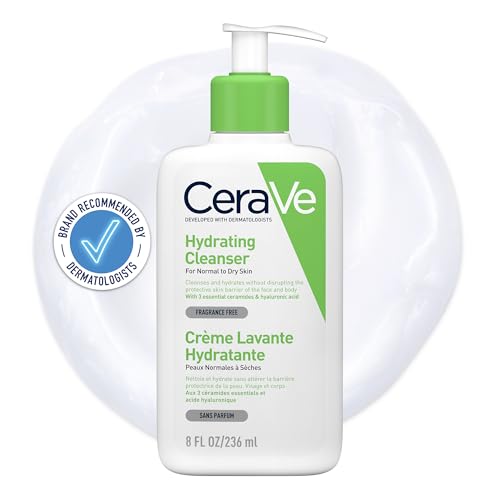
Cleanser
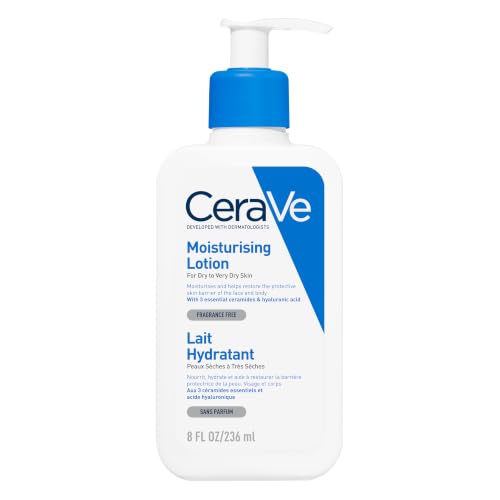
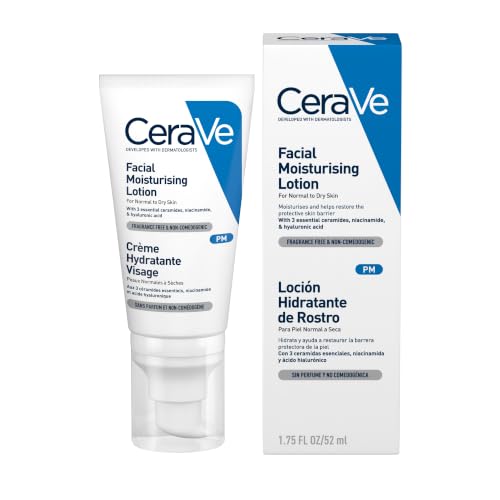
Moisturiser
SPF (every morning)
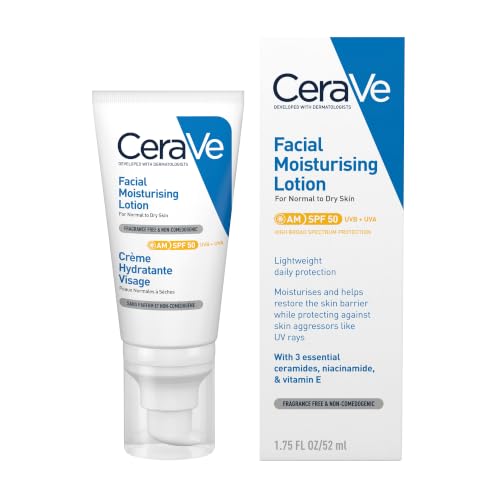
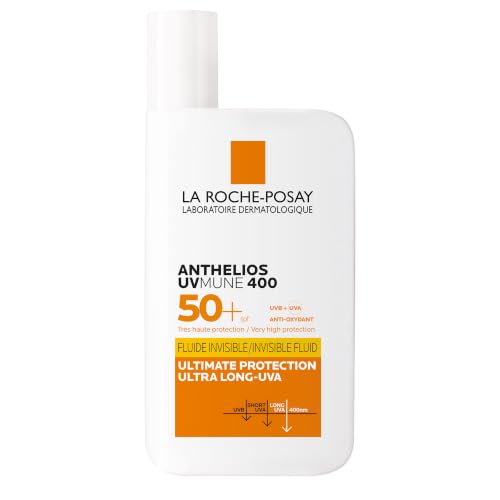
The gold-standard facial sunscreen
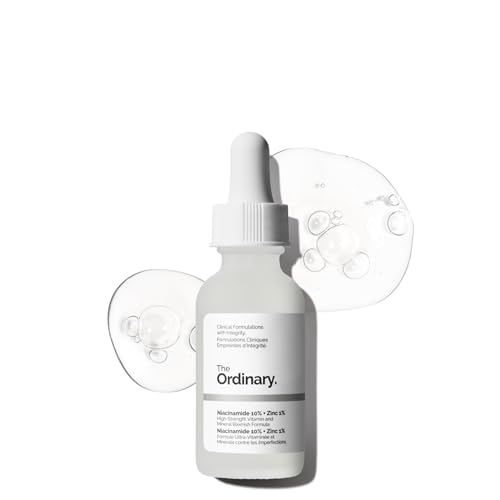
Niacinamide
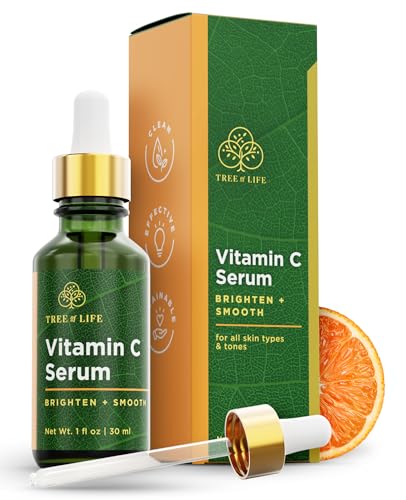
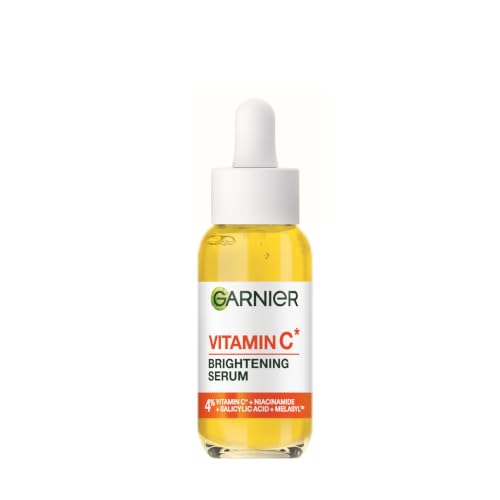
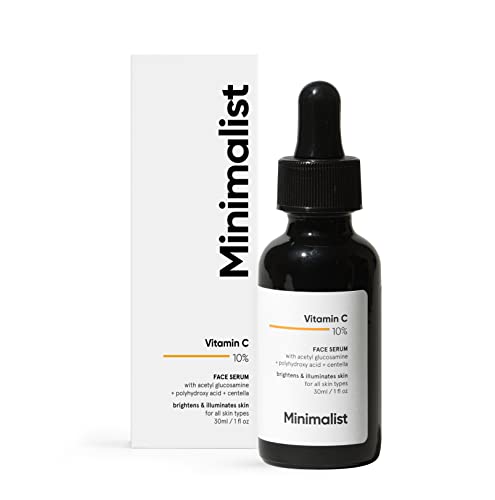
Vitamin C (mornings)
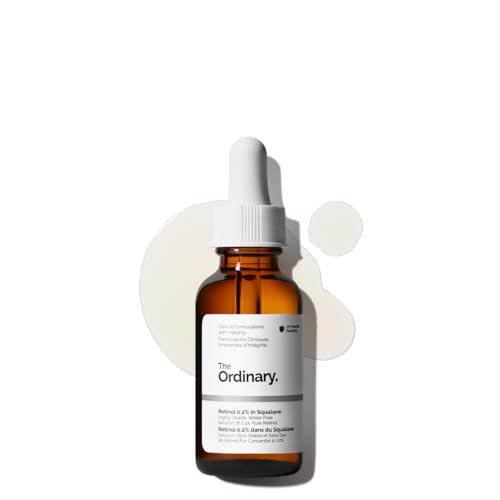
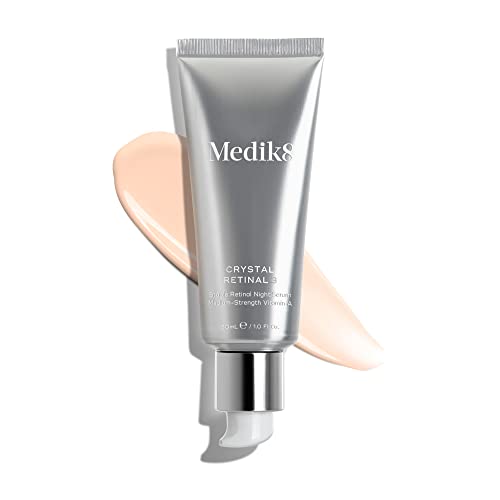
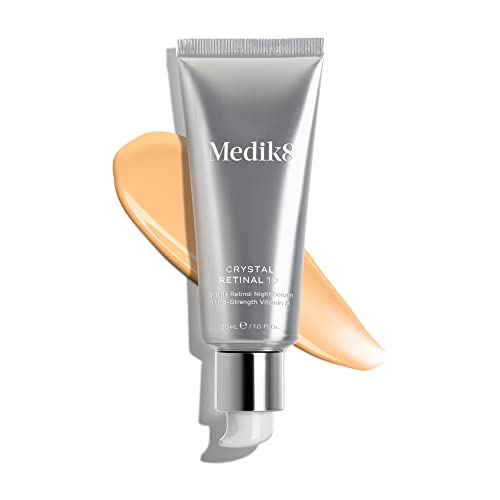
Retinoid (evenings)
Full reasoning in the niacinamide, vitamin C and retinol vs retinal guides.
🎁 Buying for someone else? See our skincare gift ideas, gift sets and 2026 advent calendars.