Retinol vs retinal: the upgrade question, answered honestly
Both are vitamin A. Both end up as retinoic acid in your skin — the molecule that actually does the work. The difference is how many conversion steps stand in the way: retinal (retinaldehyde) is one step closer, which makes it faster-acting at a given strength — and more expensive to stabilise, which is why it costs more.
The practical decision
Start with retinol if you’re new to vitamin A: gentler introduction, forgiving, and at a few pounds, abandoning it costs next to nothing if your skin protests. Upgrade to retinal once you’re acclimatised and want visibly faster progress on texture and lines — or start there directly if you’ve used retinoids before.
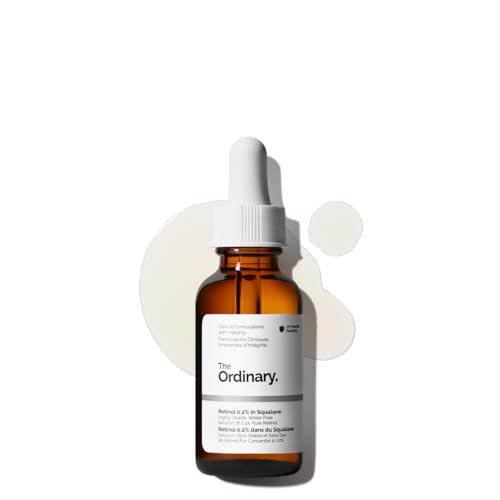
The starter: The Ordinary Retinol 0.2% in Squalane
The gentlest sensible entry point — two or three nights a week, moisturiser after, SPF every morning without exception. Expect the adjustment phase (mild dryness, occasional flaking) to settle within a month.
£5.92↓ Lowest price we’ve tracked £5.92–£7.40 since 6 Sep
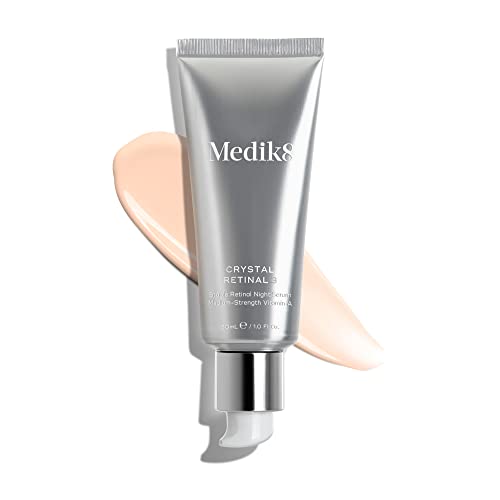
The upgrade: Medik8 Crystal Retinal 3
Medik8’s stabilised retinaldehyde is the category benchmark, and the numbered strength ladder (3 → 6 → 10 → 20) is genuinely clever: acclimatise on one strength, step up when your skin stops noticing. Crystal Retinal 3 is the right entry rung.
£47↓ Lowest price we’ve tracked £47–£50 since 6 Sep
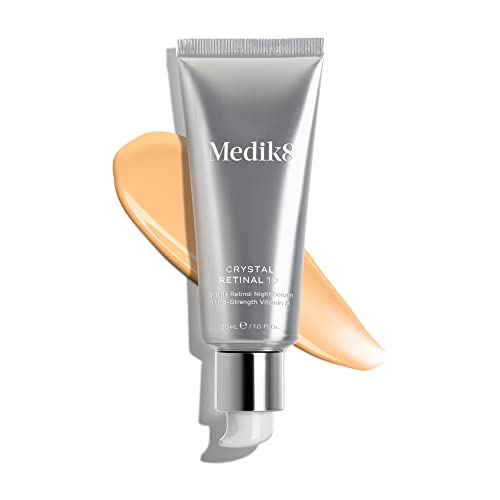
The destination: Medik8 Crystal Retinal 10
Where the ladder leads for experienced users — results approaching prescription territory with far better tolerability than old-school high-strength retinol. Not a starting point; very much a destination.
Full strength-by-strength picks in our retinol serum guide — and sequence any of these into your evening routine with the routine builder.
Frequently asked questions
Is retinal really better than retinol?
It's faster at equivalent strengths — retinal is one conversion step closer to active retinoic acid. Retinol remains the better starting point: gentler, cheaper, and the results destination is the same, just slower.
Can beginners start with retinal?
Cautiously, yes — a low strength like Crystal Retinal 3 is designed for it. But most beginners do better spending a couple of months on an inexpensive retinol first, then upgrading with acclimatised skin.
How long until vitamin A shows results?
Texture improvements from 8–12 weeks; meaningful change to fine lines takes 3–6 months of consistent use. Anyone promising faster is selling the adjustment-phase glow.
Do I need SPF with retinol or retinal?
Non-negotiably, yes — every morning, regardless of weather. Vitamin A increases sun sensitivity, and unprotected sun exposure undoes the very damage you're treating.