
CeraVe vs La Roche-Posay
Affiliate-supported: links go to Amazon UK and may earn us a commission at no cost to you. We choose products on ingredients, brand reputation, value and how giftable they are — no brand paid for placement, and we don’t claim to have tested every product.
Both are dermatologist-developed brands owned by L'Oreal, and both are fragrance-free in their core ranges. CeraVe is the better value for dry skin and barrier repair, because every product is built around ceramides. La Roche-Posay is stronger for sensitive and reactive skin, blemish-prone skin (Effaclar) and SPF (Anthelios), and costs a little more.
CeraVe vs La Roche-Posay at a glance
| CeraVe | La Roche-Posay | |
|---|---|---|
| Owned by | L'Oreal (Dermatological Beauty division) | L'Oreal (Dermatological Beauty division) |
| Signature ingredient | Three essential ceramides + hyaluronic acid | La Roche-Posay thermal spring water; niacinamide & panthenol in many products |
| Best for | Dry skin, barrier repair, value | Sensitive/reactive skin, blemishes, sun protection |
| Price | Lower; big tubs are excellent value | Mid-range pharmacy |
| Fragrance-free | Yes, across the core range | Most core products (check each) |
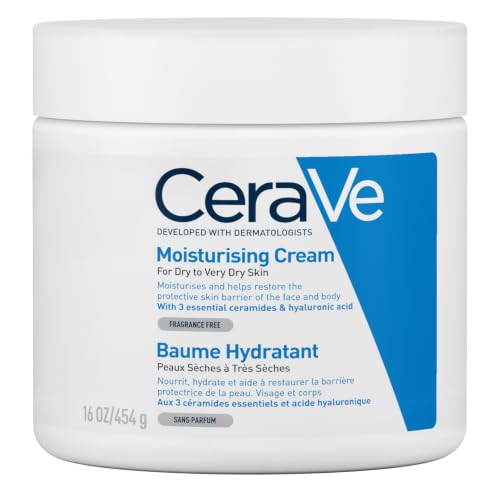
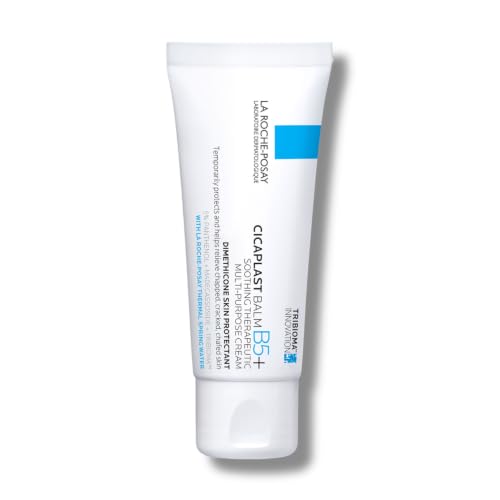
| Standout product | Moisturising Cream (454g tub) | Anthelios UVMune 400 SPF50+ and Cicaplast Baume B5+ |
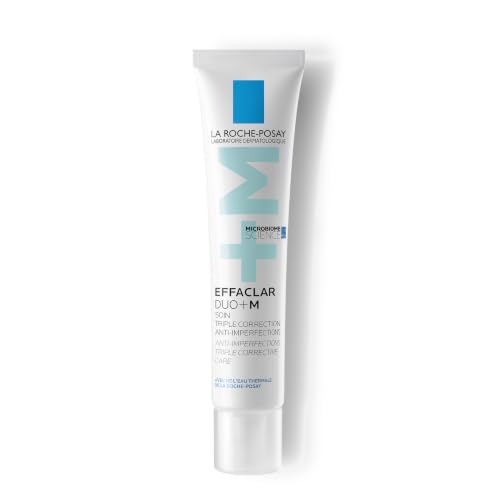
| Acne range | Blemish Control (salicylic acid) | Effaclar (Duo+M, cleansers, serums) |
Choose CeraVe if…
- Your skin is dry, tight or flaky
- You want the best price per ml
- You want one moisturiser for face and body
Choose La Roche-Posay if…
- Your skin reacts to almost everything
- You're dealing with breakouts (Effaclar)
- You want a very high-protection, light daily SPF
The honest difference
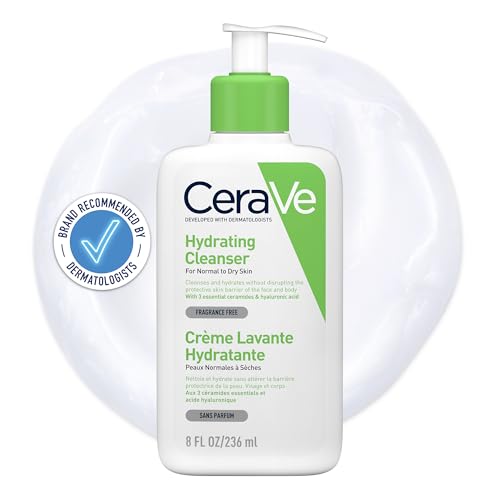
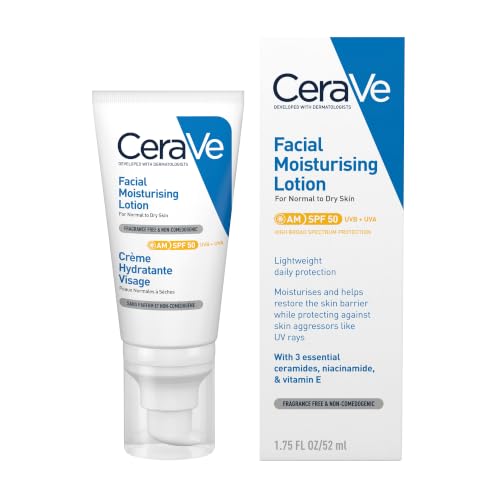
These brands are cousins more than rivals. Both are sold by L'Oreal's dermatological division, both are recommended by UK pharmacists, and both avoid fragrance in their core ranges. The real difference is focus. CeraVe does one thing extremely well: it rebuilds the skin barrier with ceramides, at a price that makes the 454g tub one of the best-value products in skincare. La Roche-Posay has a wider range aimed at specific problems, like reactive skin (Toleriane), breakouts (Effaclar), damaged skin (Cicaplast) and sun (Anthelios), and it's usually the stronger choice when there's a specific concern.
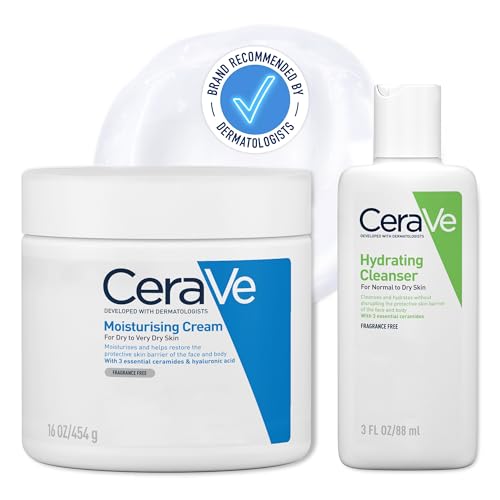
Many people use both: a CeraVe cleanser and moisturiser, with a La Roche-Posay SPF on top.
Products to consider: CeraVe
Products to consider: La Roche-Posay
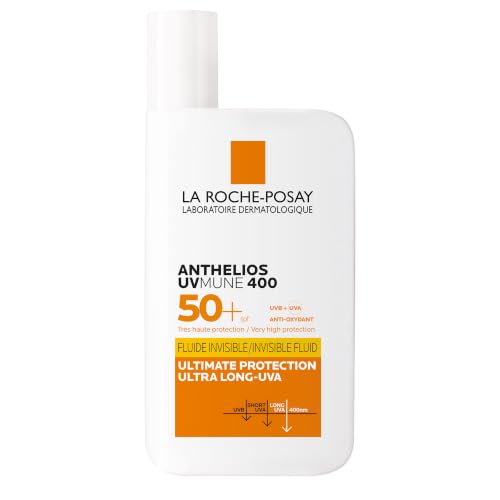 La Roche-Posay Anthelios UVMune 400 SPF50+£13.98↓ Lowest price we’ve tracked
£13.98–£16.80 since 6 Sep
Frequently asked questions
Is CeraVe or La Roche-Posay better for sensitive skin?
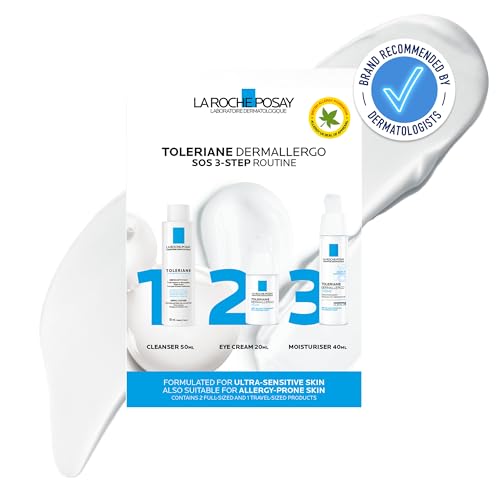
La Roche-Posay's Toleriane range is specifically designed for reactive skin and uses very short ingredient lists. CeraVe is also fragrance-free and gentle, and suits most sensitive skin, especially if it's dry.
Is CeraVe or La Roche-Posay better for acne?
La Roche-Posay Effaclar is the more complete acne-prone range, including the Duo+M moisturiser. CeraVe's Blemish Control cleanser with salicylic acid is a good budget alternative.
Are CeraVe and La Roche-Posay the same company?
Yes, both are owned by L'Oreal and sit in its Dermatological Beauty division, but they're developed as separate brands with different formulas.
Which is cheaper?
CeraVe, generally. Its large tubs and pump bottles are some of the best price-per-ml in pharmacy skincare.
Related
Cosmetic products only; nothing here treats a skin condition. See a GP or pharmacist for acne, eczema or rosacea.