Best retinol serums UK: a strength ladder, not a popularity list
Four picks, one for each stage — chosen on the form of vitamin A, the percentage, and whether the packaging keeps it stable. Updated August 2026.
Affiliate-supported: links go to Amazon UK and may earn us a commission at no cost to you. Prices are checked on Amazon, not quoted here, because they change weekly. No brand paid for placement.
How to use this list
Retinoids are not a "best overall" category. The right product is the strongest one your skin tolerates consistently, and that changes over time. So this guide is a ladder: start at the rung that matches your experience, and move up only when the current rung causes no irritation for a month. If you are unsure, start lower.
Rung 1 Never used vitamin A
Rung 2 3+ months on retinol, no irritation
Rung 3 Comfortable on rung 2 nightly
The picks
Rung 1 · First retinoid
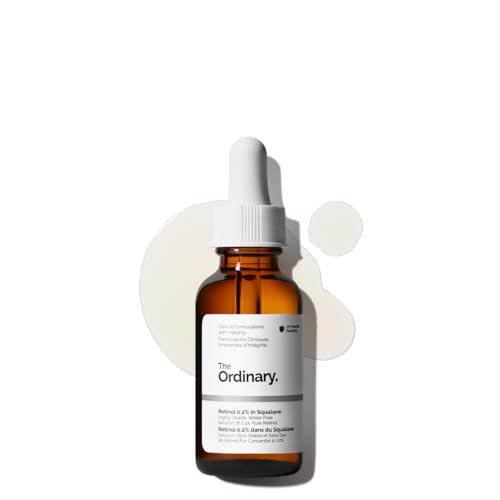
The Ordinary Retinol 0.2% in Squalane
Form: Retinol 0.2% in a squalane oil base
Who it's for: Anyone who has never used vitamin A, or who reacted badly to it before.
Retinol needs to be converted twice in the skin before it does anything, which is exactly why 0.2% is the right first step: low enough that most people can build to nightly use inside a month, cheap enough that a bottle wasted on a bad reaction costs less than a coffee. The squalane base buffers it further. What it will not do is move quickly — give it twelve weeks before judging.
Worth knowing: Oil texture; goes on after water-based serums, before moisturiser. Amber bottle but no pump — keep the lid on and out of the bathroom sun.
£7.40£5.92–£7.40 since 6 SepRung 1 · First retinoid, blemish-prone skin
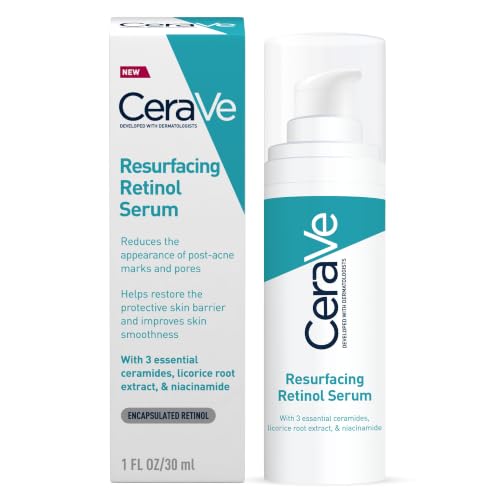
CeraVe Resurfacing Retinol Serum
Form: Encapsulated retinol with niacinamide, ceramides and liquorice root
Who it's for: Blemish-prone or combination skin where post-blemish marks and texture matter more than fine lines.
CeraVe do not publish the percentage, which normally rules a product out here. It stays in because the encapsulation and the supporting cast — niacinamide to calm, three ceramides for the barrier — make it the retinol that people with reactive, spot-prone skin actually keep using. Gel-cream texture, fragrance-free, non-comedogenic.
Worth knowing: Marketed as daily-use. Still start every other night. There are several listings of this product on Amazon UK; the one linked is the current Amazon-stocked one.
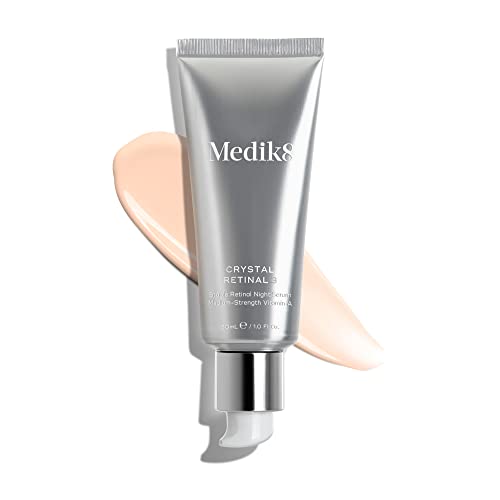
Form: Retinaldehyde 0.03%, stabilised, with hyaluronic acid
Who it's for: You have used a retinol comfortably for three months or more and want faster visible change without jumping to 1%.
Retinal is one conversion step closer to the active form than retinol, so a low percentage does the work of a much higher retinol figure with less irritation. Medik8 sell it as a five-strength ladder (3, 6, 10, 20, 24), which is the most sensible progression system on the UK market: you move up when your skin says so, not when a marketing calendar does. Airless pump, which matters for an ingredient this unstable.
Worth knowing: British brand, sold on Amazon UK by Medik8 and a handful of stockists — check the seller before buying. Refrigerate after opening if you can.
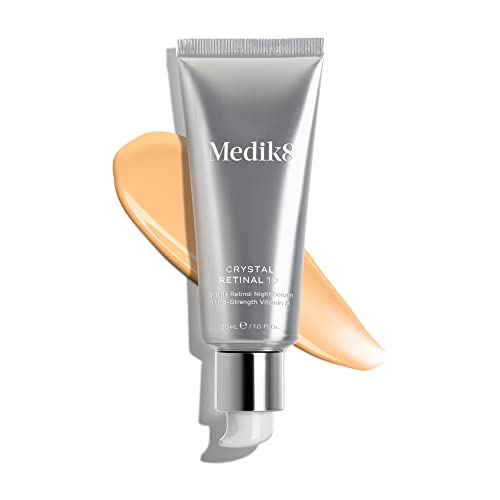
Who it's for: Comfortable on Crystal Retinal 6 or a 0.5–1% retinol nightly, with no flaking, and wanting the strongest over-the-counter option that is not a prescription.
This is roughly the ceiling of what you can buy without a prescription in the UK, and it behaves like it: real change to texture and tone over a few months, but unforgiving if you skip moisturiser or SPF. Same airless pump, same ladder — if it stings, drop back to 6 for a month rather than pushing through.
Worth knowing: Not a starting point under any circumstances. Not for use with acids on the same night; the routine builder will split them for you.
What strength of retinol should a beginner start with?
0.2–0.3% retinol, or 0.03% retinaldehyde, two or three nights a week for the first fortnight, then every other night. Move to nightly only when there is no stinging or flaking.
Is retinal better than retinol?
Retinaldehyde is one conversion step closer to the form your skin actually uses, so it works faster at lower percentages. It is also less stable and costs more. Retinol remains the sensible first step; retinal is the sensible second one.
Why does the packaging matter?
Vitamin A degrades with light and air. An airless pump or an opaque tube keeps the product at its labelled strength; a clear dropper bottle on a sunny windowsill does not.
Can I use retinol with vitamin C or acids?
Vitamin C in the morning and retinol at night. Exfoliating acids on alternate nights, never layered with the retinoid. The ingredient checker covers every pair.
What should I expect in the first month?
Mild dryness and some flaking around the nose and mouth are normal. Persistent stinging, redness or peeling are not — cut back to twice a week and add a plain moisturiser over the top.
Do I need SPF if I only use retinol at night?
Yes, every morning. Retinoids make skin more sensitive to UV for as long as you use them, and sun exposure undoes the work they do.
Cosmetic products only; nothing here treats a skin condition. If you have acne, rosacea or eczema, a GP or dermatologist can prescribe stronger retinoids that no over-the-counter product matches.

 Rung 1 · First retinoid